
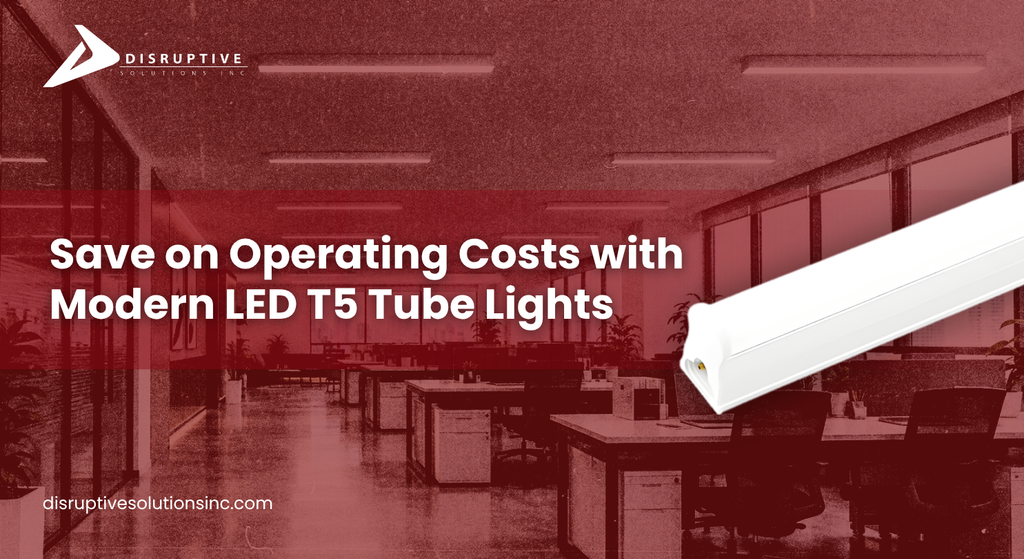
Lighting is part of the day-to-day operating cost of any business. In spaces where lights stay on for several hours, such as retail stores, cafés, warehouses, schools, and offices, choosing efficient lighting can make a difference over time.
For businesses using older lighting systems, upgrading to modern lighting solutions can be a practical way to manage energy consumption while reducing maintenance requirements associated with frequent replacements.
Before making the switch, however, it is important to choose the right fixture for the space and understand the potential benefits of the upgrade.
Why Consider a Lighting Upgrade?
Traditional lighting systems may consume more energy and require more frequent maintenance, depending on the fixture type and usage.
Modern lighting solutions are designed to provide efficient illumination while helping businesses manage electricity consumption. Depending on the product, they may also offer a longer service life, which can help reduce the frequency of replacements.
For facilities with multiple fixtures operating every day, these factors can contribute to more manageable operating and maintenance costs over time.
The goal is not simply to replace old lights with new ones. A lighting upgrade should suit the way a business operates and meet the requirements of its space.
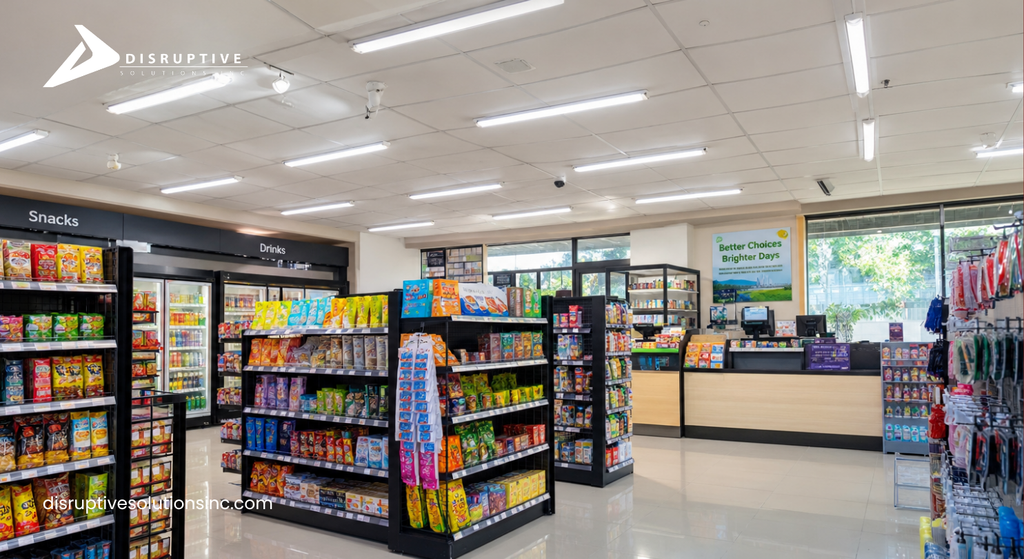
Where Can T5 Batten Lighting Be Used?
T5 Batten fixtures can be used in various commercial and business environments, including:
- Retail stores and commercial spaces
- Cafés and restaurants
- Warehouses and storage areas
- Schools and educational facilities
- Offices and work areas
- Corridors and common areas
- Workshops and other business facilities
A Linear Light setup can provide consistent illumination across longer spaces and work areas. This makes it suitable for aisles, counters, workstations, and corridors.
For businesses looking for a streamlined lighting setup, T5 Batten fixtures can be considered based on the installation requirements, layout, and intended application.
Look at Wattage and Brightness
When choosing an LED tube, wattage should not be the only consideration.
Businesses should also look at the brightness or light output of the fixture and compare it with the size and purpose of the space.
A small retail area, warehouse aisle, and classroom may all require different lighting levels. Installing a higher-wattage fixture does not automatically mean the space will have a better lighting setup.
The objective is to provide sufficient illumination without unnecessarily over-lighting the area.
Choose the Right Color Temperature
Color temperature can also affect how a business space looks and feels.
Daylight can provide a brighter, more neutral appearance that may work well for warehouses, schools, work areas, and spaces where clear visibility is important.
Cool White can provide a clean appearance that may suit retail and commercial environments.
Warm White creates a softer appearance and can be suitable for cafés, restaurants, and areas where a more comfortable atmosphere is preferred.
The right option depends on the function of the space and the environment the business wants to create.
Consider Your Existing Installation
Before upgrading, check how the current lighting system is installed.
Some LED fixtures can be installed using existing setups, while other projects may require changes to the wiring, mounting, or electrical configuration.
Businesses should also consider the number and placement of fixtures. Simply replacing every existing tube with an LED Tubelight without reviewing the layout may not always result in the most efficient setup.
For larger facilities, reviewing the existing installation first can help determine whether fixtures should be replaced, repositioned, or reduced.
Think About Long-Term Maintenance
Maintenance is another factor that businesses should consider when evaluating a lighting upgrade.
Replacing failed fixtures takes time and may require staff or technicians to work around business operations. In warehouses, retail stores, and other large facilities, repeated maintenance can also become more difficult when fixtures are installed at height.
LED fixtures with longer service life can help reduce the frequency of replacements. Businesses should also check warranty coverage and available support when choosing products for a large-scale installation.
Calculate the Upgrade Based on Actual Usage
The potential operating savings from an LED upgrade depend on how the lighting is used.
Consider:
- How many fixtures are currently installed
- Current and replacement wattage
- How many hours the lights operate each day
- The number of operating days per week
- Maintenance and replacement requirements
- The condition of the existing lighting system
For a business operating dozens or hundreds of fixtures for long hours, even changes in individual fixture consumption can add up over time.
This is why it is useful to look at the entire lighting system rather than focusing only on the price of each fixture.
A Practical Step Toward More Efficient Lighting
Upgrading to modern LED lighting can be a practical improvement for businesses looking to manage energy consumption and maintenance requirements.
The right choice, however, depends on the application. Wattage,Look at Wattage and Brightness
When selecting a lighting fixture, wattage should not be the only consideration.
Businesses should also evaluate the brightness or light output of the fixture and compare it with the size and purpose of the space.
A small retail area, warehouse aisle, and classroom may require different lighting levels. Choosing a higher-wattage fixture does not automatically result in a better lighting setup.
The objective is to provide sufficient illumination for the intended activity without unnecessarily over-lighting the area.
Choose the Right Color Temperature
Color temperature affects how a business space looks and feels. Selecting the appropriate option helps create an environment suited to its intended use.
Daylight provides a bright, neutral appearance that can work well in warehouses, schools, work areas, and locations where clear visibility is important.
Cool White offers a clean appearance that may suit retail stores and commercial environments.
Warm White creates a softer atmosphere and can be suitable for cafés, restaurants, and areas where a more relaxed setting is preferred.
The right option depends on the function of the space, the activities performed there, and the atmosphere the business wants to create.
Consider Your Existing Installation
Before upgrading, review how the current lighting system is installed.
Some fixtures can be installed using existing setups, while others may require adjustments to the wiring, mounting, or electrical configuration.
Businesses should also consider the number and placement of fixtures. Replacing every existing fixture without reviewing the layout may not always result in the most efficient arrangement.
For larger facilities, assessing the existing installation can help determine whether fixtures should be replaced, repositioned, or reduced. Consulting a qualified professional can also help ensure that the proposed setup meets the project’s electrical and safety requirements.
Think About Long-Term Maintenance
Maintenance is another factor to consider when evaluating a lighting upgrade.
Replacing failed fixtures takes time and may require staff or technicians to work around regular business operations. In warehouses, retail stores, and other large facilities, repeated maintenance can become more challenging when fixtures are installed at height.
Choosing products with a longer service life can help reduce the frequency of replacements. Businesses should also review warranty coverage, product specifications, and available technical support, particularly when planning large-scale installations.
Calculate the Upgrade Based on Actual Usage
The potential operating savings from a lighting upgrade depend on how the system is used.
Before investing, consider the following:
- The number of fixtures currently installed
- The wattage of existing and replacement fixtures
- The number of hours the lights operate each day
- The number of operating days per week
- Maintenance and replacement requirements
- The condition of the existing lighting system
For a business operating dozens or hundreds of fixtures for extended periods, differences in individual fixture energy consumption can add up over time.
Comparing the existing setup with the proposed replacement can help businesses estimate potential savings and assess whether the investment makes financial sense.
It is also important to consider the overall installation cost, expected service life, and maintenance requirements rather than focusing only on the purchase price of each fixture.
A Practical Step Toward More Efficient Lighting
Upgrading to modern lighting solutions can be a practical step for businesses looking to manage energy consumption, improve illumination, and reduce maintenance requirements.
The right solution depends on the application. Wattage, brightness, color temperature, installation requirements, operating hours, and the size of the space should all be considered before making an upgrade.
For commercial and industrial facilities, a properly planned lighting system can support daily operations while helping businesses make informed decisions about long-term operating costs. brightness, color temperature, installation setup, operating hours, and the size of the space should all be considered before making an upgrade.
At Disruptive Solutions Inc. (DSI), we provide LED lighting solutions for businesses and commercial projects across the Philippines.
If you are looking for the right lighting solution for your space, our team can help you explore suitable products based on your business requirements.
Talk to DSI today for professional lighting recommendations for your next project.
Call us today at 09173081105 / (02) 8463-1322 to learn more about our product lines, partnerships, and exclusive offers. Visit the Disruptive Solutions Inc. website to explore our full range of lighting solutions.