
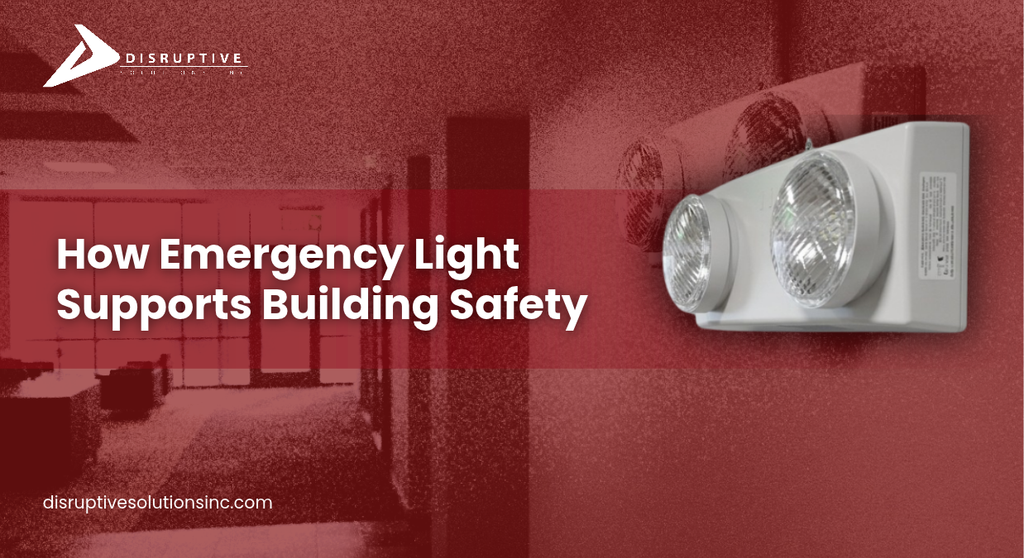
What happens when the power goes out in a building full of people?
For offices, schools, commercial establishments, and public facilities, a sudden power interruption can make corridors, stairways, and exit routes difficult to navigate. Without proper backup illumination, occupants may struggle to identify safe pathways during an emergency.
This is why emergency lighting is an important consideration in building planning and safety preparation.
Whether you’re developing a new facility or improving an existing property, understanding the role of these fixtures can help you make better decisions for your building.
Why Is Backup Light Fixtures Important?
Emergency lights are designed to provide illumination when the main power supply is interrupted.
Depending on the product design, these units may feature built-in rechargeable batteries that activate when normal power becomes unavailable.
Their purpose is to help occupants maintain visibility, identify exit routes, and move toward designated evacuation areas.
For building administrators, contractors, and facility managers, including these fixtures in the overall electrical and safety plan is an important consideration.
Common Types of Emergency Lights
Unlike traditional lighting, emergency fixtures are designed to provide illumination when the main power supply is interrupted.
Their purpose is to help occupants maintain visibility, identify exit routes, and move toward designated evacuation areas.
Different products serve different functions within a building:

LED Emergency Lights
These units provide backup illumination during power interruptions.
They are commonly installed in corridors, stairways, hallways, and other areas where occupants may need additional visibility.
Some models feature adjustable lamp heads that allow users to direct illumination toward selected areas.
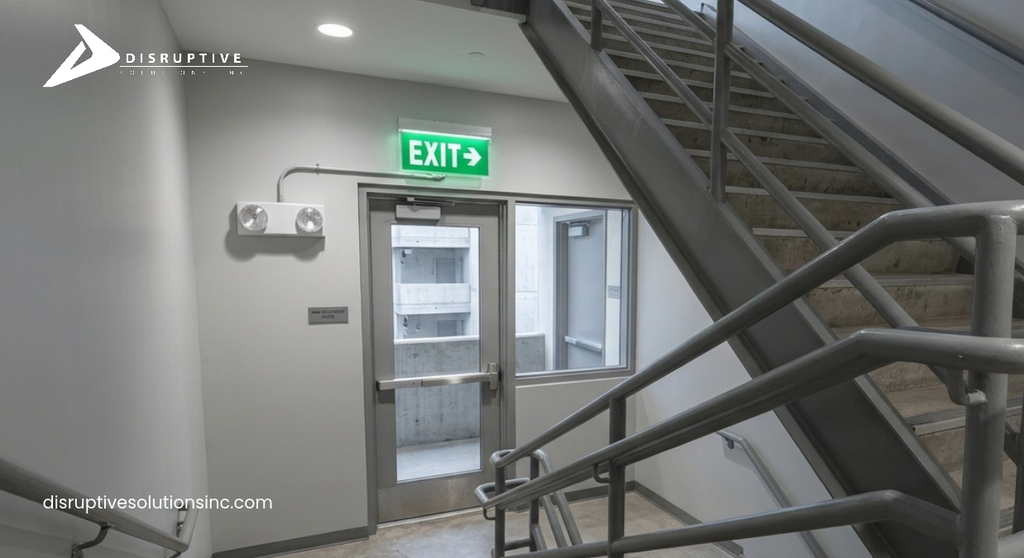
Exit Signs
Exit signs help occupants identify designated building exits during normal operations and emergencies.
They are commonly positioned above or near exit doors and along designated evacuation routes.
Depending on the building layout, directional arrows can help indicate the appropriate route.
Where Should These Fixtures Be Considered?
The appropriate locations depend on the building’s use, layout, applicable regulations, and safety assessment.
Common areas to evaluate include:
- Office Buildings: Hallways, stairwells, exit doors, and shared spaces.
- Schools and Universities: Classrooms, corridors, stairways, and designated evacuation routes.
- Commercial Establishments: Shopping areas, service corridors, and building exits.
- Hotels: Guest corridors, staircases, and common access areas.
- Industrial Facilities: Selected work areas, access pathways, and designated exits.
Building owners and project teams should coordinate with qualified professionals to determine the appropriate locations, coverage, and specifications.
What Should You Check Before Purchasing?
Choosing a suitable product requires more than checking its appearance or wattage.
Battery Backup: Check the battery type, charging requirements, and rated emergency operating duration.
Illumination Coverage: Evaluate whether the fixture can provide sufficient brightness for its intended location.
Installation Requirements: Review mounting options, electrical connections, and compatibility with the building layout.
Product Construction: Consider the materials, durability, and suitability of the unit for its intended environment.
Applicable Safety Standards: Make sure the selected equipment and installation comply with applicable Philippine building, fire safety, and electrical requirements. Consult qualified professionals for project-specific compliance.
Preparing Schools and Public Facilities: Educational institutions and public facilities need to consider the safety of students, employees, visitors, and other occupants.
Backup illumination should form part of a broader safety plan that includes clearly identified evacuation routes, accessible exits, regular inspections, and emergency preparedness procedures.
For additional information about educational facilities, read our related article: Why LED Emergency Lights Are Important for Schools and Educational Facilities
Preparing Buildings for Unexpected Situations
A building’s electrical plan should account for both everyday operations and unexpected power interruptions.
By identifying critical areas, selecting suitable backup fixtures, and coordinating with qualified installation professionals, building owners and project managers can make emergency preparedness part of their overall facility planning.

At Disruptive Solutions Inc. (DSI), we provide LED lighting solutions for businesses and commercial projects across the Philippines.
If you are looking for the right lighting solution for your space, our team can help you explore suitable products based on your business requirements.
Talk to DSI today for professional lighting recommendations for your next project.
Call us today at 09173081105 / (02) 8463-1322 to learn more about our product lines, partnerships, and exclusive offers. Visit the Disruptive Solutions Inc. website to explore our full range of lighting solutions.