
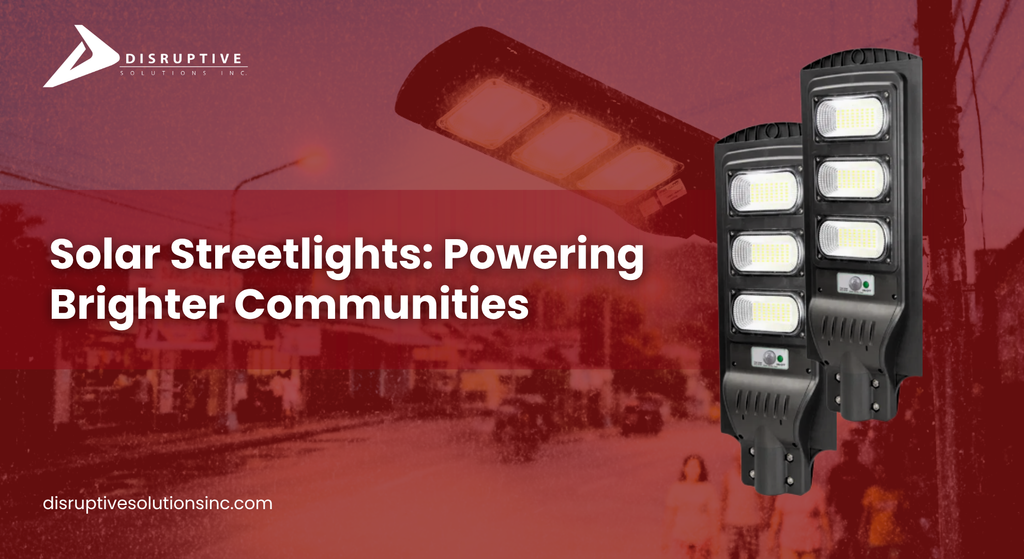
As cities and communities continue to invest in sustainable infrastructure, solar-powered lighting offers a practical option for outdoor areas that need reliable illumination. By using energy from sunlight, these systems can help provide lighting in locations where conventional electrical connections may be limited or difficult to extend.
But how do these systems work, where can they be used, and what should project planners consider before installation?
How Do Solar-Powered Work?
Solar-powered lighting systems use photovoltaic panels to convert sunlight into electrical energy. The generated energy is stored in rechargeable batteries and used to power the lighting fixture after sunset.
Most systems operate automatically through built-in controllers that regulate battery charging, power distribution, and lighting schedules.
Depending on the design, these units may feature integrated components, where the solar panel, battery, and lighting fixture are housed in one assembly, or separate components that allow more flexibility in positioning and installation.
This makes them a practical option for locations where extending conventional electrical infrastructure may be challenging or where an independent power source is preferred.
Where Can We Used Solar Street light?
SWhere Can Solar-Powered Outdoor Lighting Be Used?
Solar-powered outdoor fixtures can support various infrastructure and community applications, depending on the required brightness, coverage, and installation conditions.
- Public Roads and Highways: Help improve nighttime visibility along selected road sections and access routes.
- Residential Communities: Provide illumination along internal roads, pathways, and shared outdoor areas.
- Parks and Public Spaces: Support visibility in walkways, open areas, and recreational facilities.
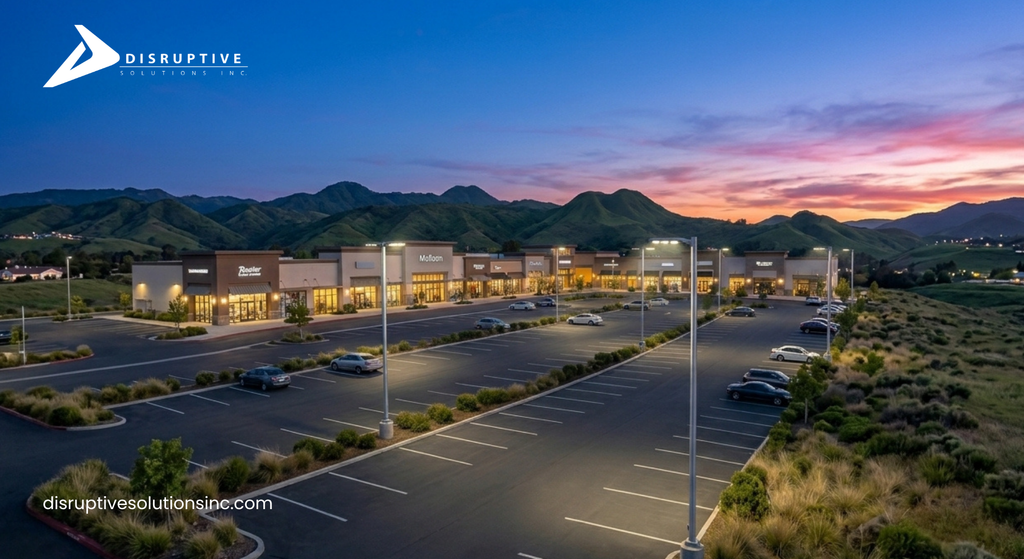
- Parking Areas: Help illuminate outdoor parking spaces, entrances, and vehicle access points.
- Rural and Remote Locations: Offer an alternative lighting option for areas with limited access to conventional electrical infrastructure.
- Community Facilities: Support outdoor visibility around schools, public buildings, and other shared facilities.
For projects involving commercial and business environments, proper lighting selection also plays an important role in managing energy consumption and operational requirements.
Learn more in our guide: The Right Lighting Strategy for Long-Term Energy Savings.
Key Factors to Consider Before Installation
Selecting a solar-powered system requires more than checking its wattage. Several technical factors should be reviewed to ensure that the installation meets the requirements of the project.
Brightness and Light Distribution
Battery Capacity
Solar Panel Performance
Weather Protection
Installation Height and Spacing
The Benefits of Solar-Powered Community Lighting
When properly selected and installed, solar-powered systems can offer several advantages for infrastructure and outdoor lighting projects.
- Reduced Dependence on Grid Electricity: These systems generate and store energy from sunlight, reducing reliance on conventional electrical connections.
- Flexible Installation: They can be considered for locations where electrical connections are limited or costly to extend.
- Potential Operating Cost Savings: Reduced dependence on grid electricity can help manage long-term operating expenses.
- Support for Sustainable Infrastructure: Using renewable energy contributes to more sustainable community and infrastructure development.
- Independent Operation: Systems designed with integrated power components can operate without requiring a continuous connection to the electrical grid.
Explore our related guide: The Right Lighting Strategy for Long-Term Energy Savings.
Planning for Long-Term Performance
A successful installation involves evaluating the entire system, not just the lighting fixture.
Project planners should consider the installation location, required illumination levels, battery performance, solar panel positioning, mounting requirements, and maintenance accessibility.
Regular inspection of the solar panels, batteries, connections, and other components can also help maintain consistent system performance over time.
For larger developments and infrastructure projects, working with a professional lighting solutions provider can help determine suitable product specifications and an installation approach that aligns with the project’s requirements.
Powering Brighter Communities Through Smarter Solutions
Solar-powered outdoor lighting can support communities and organizations looking for practical alternatives to conventional outdoor lighting systems.
Whether the project involves public roads, community spaces, parking areas, or remote locations, selecting the right equipment requires careful evaluation of the site’s conditions, lighting requirements, and long-term operating needs.
With proper planning and suitable equipment, solar-powered lighting can contribute to more accessible, energy-conscious, and sustainable infrastructure.

At Disruptive Solutions Inc. (DSI), we provide LED lighting solutions for businesses and commercial projects across the Philippines.
If you are looking for the right lighting solution for your space, our team can help you explore suitable products based on your business requirements.
Talk to DSI today for professional lighting recommendations for your next project.
Call us today at 09173081105 / (02) 8463-1322 to learn more about our product lines, partnerships, and exclusive offers. Visit the Disruptive Solutions Inc. website to explore our full range of lighting solutions.